

Spring Roof Problems After Edmonton Winters
Request a Quote


In Edmonton, spring roof problems often involve trapped moisture, cracked materials, blocked drainage, and damage that becomes easier to notice after snow and ice clear.
Edmonton winters are long, cold, and intense – and that means roofs take a real beating. When snow piles up and temperatures drop well below freezing, the roof has to hold up against constant pressure. Often, the damage happens quietly under layers of ice and snow, and it only becomes visible once it thaws. That’s why spring roof problems are so common in Edmonton: winter doesn’t just end – it reveals what has been happening all season. This guide covers the most common post-winter roof issues in Edmonton, what they mean, and what to watch for before repairs get expensive.
Why Edmonton Winters Cause Roof Damage
Edmonton’s winters are known for their heavy snowfall, icy conditions, and wide temperature swings. All of these create pressure on roofing systems in ways many homeowners don’t notice until spring.
- Heavy snow loads: A roof can carry hundreds of kilograms per square metre when snow accumulates. This weight can strain structural supports, especially in older homes or roofs with less slope.
- Ice buildup and expansion: When melting snow refreezes, ice can form in gutters and along roof edges. Ice expands as it freezes, and this pressure can damage shingles, flashing, and roofing membranes.
- Freeze-thaw stress on materials: Materials expand and contract as temperatures fluctuate. Over time, this causes cracking, separation, and weakening – especially on roofs with older or worn materials.
- Limited visibility during winter: Most damage happens under snow and ice, which means homeowners often don’t see issues until spring. By then, what started as a minor problem can become a bigger repair.
Common Spring Roof Problems After Edmonton Winters
Many spring roof problems don’t start in spring – they begin during winter and reveal themselves once temperatures rise. Our flat roofing in Edmonton team often sees the first leaks show up near exterior walls after the first big thaw.
Quick Spring Roof Check (10 minutes):
- Check ceilings and exterior walls for new stains or peeling paint.
- Look for lifted shingles, bent flashing, or sagging spots.
- Clear visible debris from gutters and downspouts where safe.
- For flat roofs, note any standing water after melt or rain.
If you see repeated moisture signs, book an inspection before spring storms.
Water Leaks That Appear After Snow Melt
When snow melts, water follows the path of least resistance. If there are weak points in the roof, water will find them – and often travel along rafters or insulation before showing up as a stain inside.
Leaks are one of the most common roofing problems and may appear weeks after the thaw begins because water can take time to work its way through damaged layers.
Ice Dam Damage and Compromised Edges
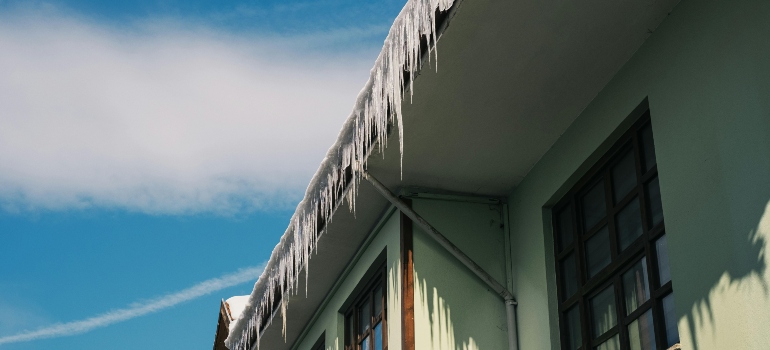
Ice dams form when warm air from the home melts snow at the roof surface, which then refreezes at the colder edges. This creates a barrier that traps water.
Water can back up under shingles, damage flashing and roof edges, and the damage may not be visible from the outside. Hidden moisture behind walls and insulation can lead to longer-term issues if left unchecked.
Cracked, Lifted, or Shifted Roofing Materials
Winter expansion and contraction can cause roofing materials to move.
- Flat roofs may develop membrane stress or small splits
- Sloped roofs may see shingles lift or shift, exposing the underlayer.
These problems may not show up until spring winds or rain push the weakened areas to the limit.
Ponding Water on Flat Roofs
Snow weight and shifting can change drainage angles and create low spots. When the snow melts, these areas hold water longer.
Standing water becomes more noticeable in spring and is a major risk if ignored – it can accelerate membrane wear and lead to leaks.
Blocked or Damaged Drainage Systems
After winter, downspouts often clog with debris and ice residue, which can keep meltwater sitting longer than it should. Ice and debris build up in gutters and downspouts all winter. In spring, blocked drainage slows water flow and increases moisture retention on the roof.
This is often the start of more serious issues, especially if the system remains blocked for weeks.
Roof Problems That Are Easy to Miss in Spring
Not all damage is obvious – some issues are subtle, but still serious.
- Saturated insulation: Moisture trapped inside can reduce energy efficiency and cause hidden rot.
- Subtle flashing separation: Small gaps around vents, chimneys, or edges may not be visible until they leak.
- Early membrane blistering: Tiny bubbles can signal a weakening roof membrane.
- Minor structural stress: Snow load can cause small shifts in framing that aren’t obvious until later.
These spring roof problems often go unnoticed until the next heavy rainfall or heat wave, when problems become more obvious.
Differences Between Flat and Sloped Roof Issues After Winter
Flat and sloped roofs face different spring roof problems, so it helps to know what to look for based on your roof type.
Spring Issues Common on Flat Roofs
Flat roofs face unique spring risks, including:
- Ponding water
- Seam stress
- Membrane wear near penetrations (vents, skylights, HVAC)
Spring Issues Common on Sloped Roofs
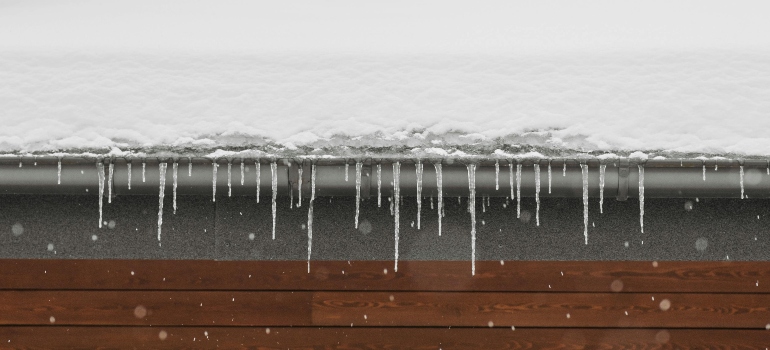
Sloped roofs tend to show different spring roof problems, such as:
- Granule loss
- Flashing fatigue
- Vent and chimney seal damage
Understanding the difference helps property owners focus on the right signs.
Why Spring Is the Best Time to Assess Roof Condition
Spring is a good time to check your roof because the thaw makes winter damage easier to see. As snow and ice melt, it’s often the first chance to spot signs your roof is failing, like lifted shingles, damaged flashing, or early leaks. Catching these issues early can prevent roof problems in the spring and summer storms.
If you need help confirming what you see, residential roofing services in Edmonton can provide a professional inspection and recommend repairs before the next winter season. This gives homeowners time to plan and budget work, which reduces the chance of emergency repairs later on.
What Edmonton Property Owners Can Do in Early Spring
Here are practical steps homeowners can take:
- Look for interior warning signs like ceiling stains, musty smells, or peeling paint.
- Safely observe exterior changes such as lifted shingles, damaged flashing, or sagging areas.
- Clear visible debris where accessible, especially around gutters and downspouts, to improve drainage.
- Check for slow drainage or standing water on flat roofs, which can indicate blocked systems or roof damage.
- If you’re unsure or notice damage, contact a No Water Roofing company in Edmonton for a professional inspection to catch problems early.
Protecting Your Roof in Spring
Edmonton winters leave a lasting impact on roofs, and spring is when spring roof problems start to show up. Some issues are easy to spot, while others stay hidden until they get worse. By noticing problems early and taking simple steps, property owners can avoid bigger repairs and unexpected damage later in the year. Spring is more than just a thaw – it’s a good time to understand what winter did to your roof. Checking early gives you more options, less stress, and a stronger roof heading into the next winter.

/ service areas
Proudly Serving Edmonton & Surrounding Areas
We provide professional roofing services across Edmonton and nearby communities, delivering the same certified workmanship and No Leaks Guarantee on every project.

/ testimonials
Trusted by Edmonton Homeowners & Businesses
125 Google Reviews


